
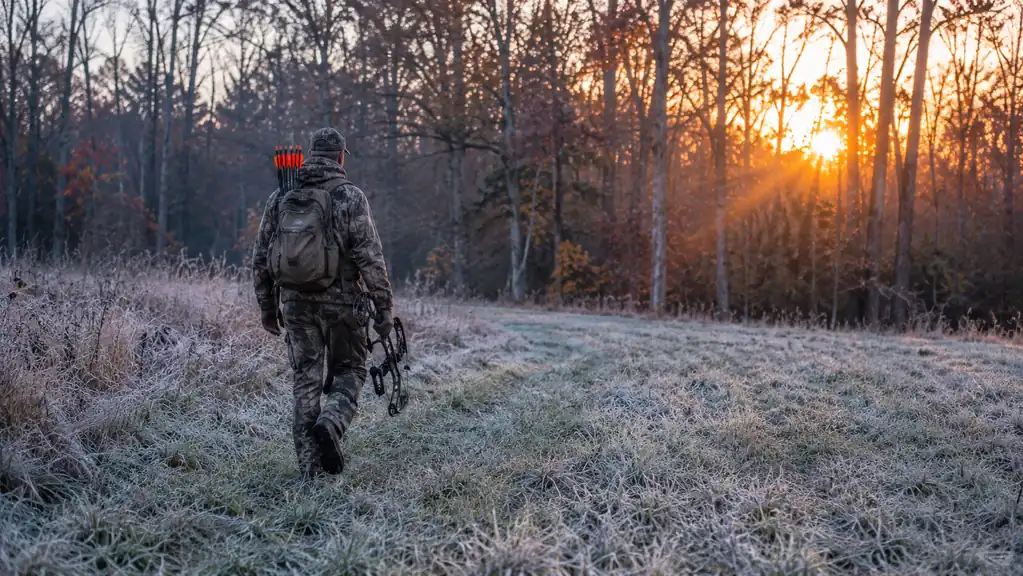
Scouting is the part of hunting that doesn't photograph well. Nobody puts a picture of a guy walking a cutline in September up on the wall. But that's where the season gets decided, and it's the part that eats your weekends. I live outside Spokane and hunt public land in eastern Washington, which means every scouting trip costs me gas, boot leather and a Saturday I could have spent doing something else. For a few years I did it the hard way: walk in, look for sign, guess, walk out, hope. Then I started leaving a camera out instead of just my boot prints.
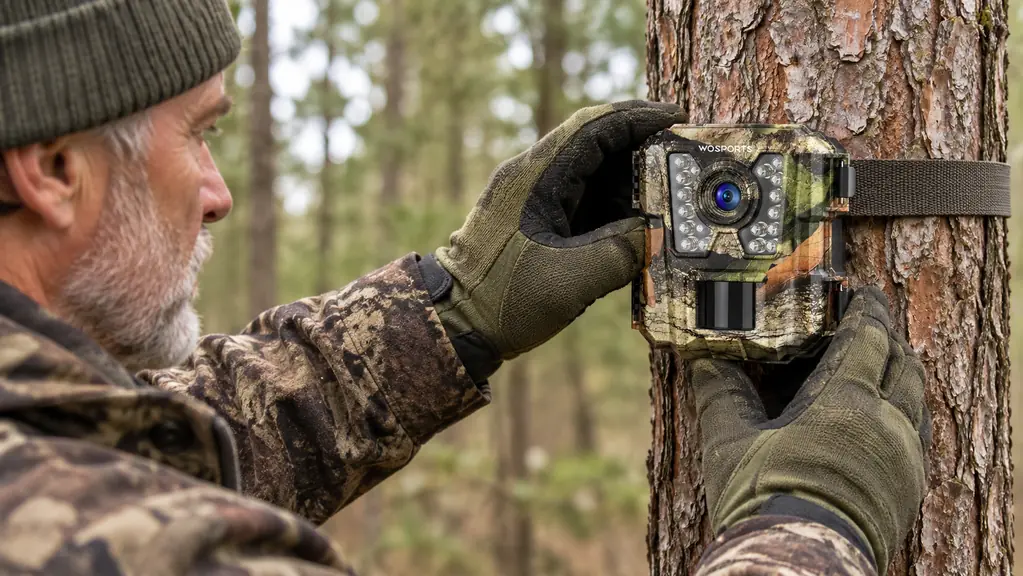
I've been running a WOSPORTS Mini Trail Camera off and on for a while now, and the honest version is that it changed how much guessing I do. Not because it's fancy. Because it's modest enough that I'll actually leave it in the woods, small enough that I'll actually carry it in, and simple enough that I don't have to read a manual standing at the tailgate. Here are ten reasons it earns a spot in my pack, in the order they matter to me.
Put eyes on the trail without burning another Saturday
30MP photos, 1080P video and infrared night vision in a body that fits in a coat pocket. Battery powered, SD card, push-button simple.
Amazon Check Today's Price on Amazon →It watches the trail on the days you can't get there
Deer don't move on your schedule. The shift happens on a Tuesday afternoon while you're at work, or at two in the morning while you're asleep. A camera sitting on a rub line collects that information whether you're present or not. That's the whole pitch, and it's the reason I stopped treating scouting as something I had to physically attend. I mount it, I leave it alone, and I come back to a record of what happened while I was living my life. Two weeks of that beats one Saturday of walking and squinting.
Thirty megapixels lets you tell one buck from another
Blurry pictures are worse than no pictures, because you end up arguing with yourself about what you're looking at. The 30MP photos off this camera are sharp enough that I can count points and see whether a deer carries a split brow tine. Same with body size and the shape of a track. If you can't identify the animal, the picture is wallpaper. This one gives you something you can actually make a decision with, and that is the only job a scouting photo has.
The trigger fires before a walking deer is out of frame
A slow trigger gets you the south end of a northbound deer. The PIR motion sensor on the WOSPORTS is quick to fire, and that matters more than most spec sheets admit. A deer crossing a cut at a walk gives you a second or two, and if the camera is napping you get a picture of an empty trail and a moving branch. Fast trigger response is the difference between a photo you can use and a photo you delete. The 1080P video helps here too, because movement tells you more than a still frame ever will.
Infrared night vision covers the hours you can't hunt
Most of what a deer does happens in the dark. Legal shooting light is a narrow window and the rest of the day belongs to the animal. The 850nm infrared on this camera keeps it working after the sun drops, so you get a picture of a buck working a scrape at midnight that you plan to sit two weeks later. That isn't a novelty feature. It's how you learn that a particular trail is a nighttime highway and the daylight pattern is somewhere else entirely.
It's small enough that you'll actually carry it in
A camera that lives in the truck is worthless. This one measures 4.25 by 4.21 by 3.43 inches and weighs 11.68 ounces, which means it drops into a jacket pocket next to a granola bar and I forget it's there. On a public-land walk-in, that matters. Every ounce is competing with water, extra layers and a stand. The compact body is the reason I carry two cameras instead of talking myself out of one at the driver's door.
No cords, no outlet, no wiring a tree
It runs on batteries. That is the entire installation. I mount it on a trunk, push the buttons, and walk away. There's no cable to hide, no separate power box to bury, nothing to explain if another hunter or a warden walks up on it. On public land a simple setup is a setup that doesn't draw attention and doesn't fail in a way that forces a second hike. The enclosure is ABS plastic, and mine has taken a couple of knocks against a tree without cracking.
The SD card keeps your pictures in your pocket, not on a server
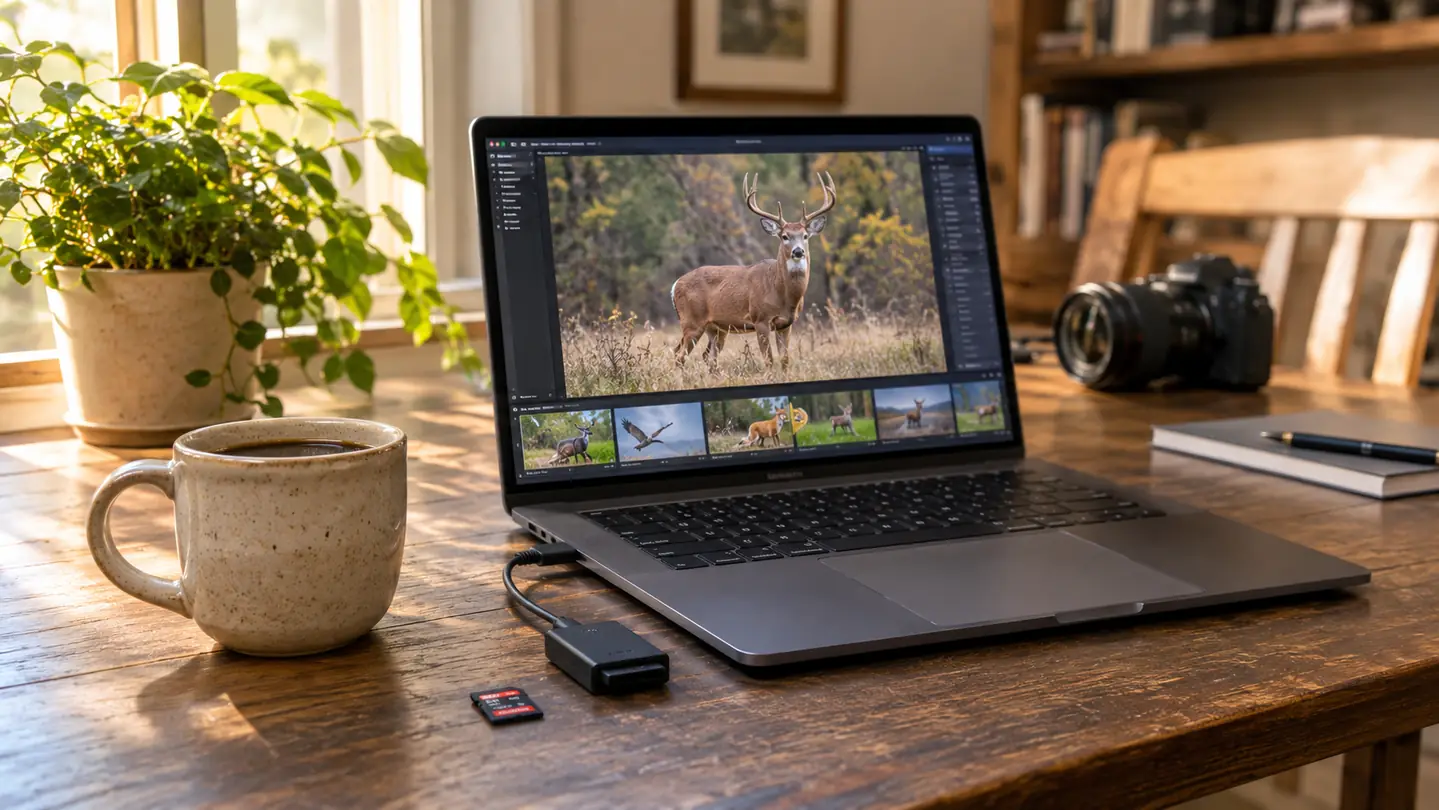
I'm not a fan of paying a monthly fee to look at deer. This camera records to an SD card, so the pictures live on a card I own, and I pull them on my laptop at the kitchen table with a cup of coffee. No subscription, no dead zone, no waiting on a signal in a canyon where my phone doesn't work anyway. If you want real-time photos in your hand, that's a different product. If you want a record you own outright, this is the simpler answer.
It handles a Washington fall without babysitting
Eastern Washington in October swings from seventy and dusty to freezing rain in about six hours. The WOSPORTS Mini is rated water resistant, not waterproof, so I don't park it in a puddle, but I've had it out through rain and frost and it kept shooting. I check the seal and the card slot when I pull it, wipe it down, and put it back out. That's the whole maintenance routine. Treat it like a tool and it holds up. Submerge it and it won't.
The push-button menu is simple enough to set in the dark
Some cameras need a firmware update and a phone before they'll take a picture. This one has push buttons and a plain menu. I set the date, the time and the mode in about two minutes with a headlamp in my teeth. That sounds like a low bar until you've crouched over a camera at five in the morning trying to remember which button advances a submenu. Simple controls mean fewer ruined setups, and fewer ruined setups mean the camera does the job instead of becoming the job.
It tells you which stand to sit, not just what's out there
This is the part I care about most. A camera doesn't just tell you a buck exists. It tells you when he moves, which direction he comes from, and whether he's on the ridge trail or the creek bottom. After two weeks of pictures I stop hunting the whole property and start hunting one forty-yard stretch of it. That's the real return. Fewer sits in the wrong place, and more sits where the odds are actually worth the cold.
What I'd Skip
If you need a picture on your phone the moment a deer walks past, skip this and pay for a cellular camera. The WOSPORTS Mini doesn't send anything anywhere. It records to a card, and you go get the card. That's a real limitation and I won't dress it up. I'd also skip it if you're the kind of person who leaves a camera out from September to January without checking on it. Batteries are the weak link in any camera, and a dead camera isn't scouting for you. Check it every couple of weeks, swap the card, and it does its job. Expect a modest camera to act like a modest camera and you'll be pleased with it. Expect it to replace a guide and you won't.
The real return is fewer sits in the wrong place, and more sits where the odds are actually worth the cold.
A camera in the woods beats a Saturday you didn't have
30MP photos, 1080P video, infrared night vision and a compact body that rides in a coat pocket. Battery powered, SD card, push-button simple.
Amazon Check Today's Price on Amazon →