
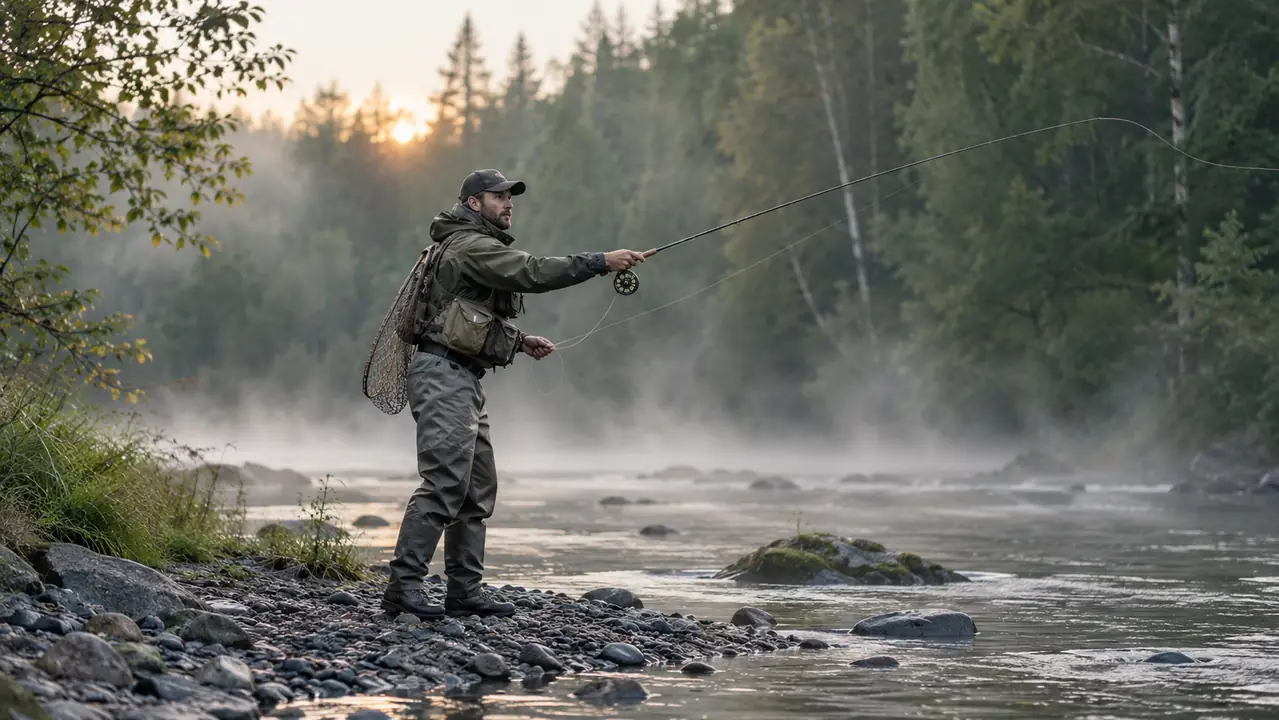
Short answer first. For the water most of us around Spokane actually fish, the Ugly Stik 5 foot complete spinning kit is the combo I would hand a beginner and the one I still keep behind the seat of my truck. I have fished a 5 foot light spinning rod from the bank of small rivers and out of a 14 foot aluminum boat with a little outboard on the back. The reason I keep coming back to this size is not nostalgia. It fits in tight places. It sets a hook. And when a guest drops it on the rocks, it usually comes up still working.
Shakespeare starter combos are the other name that comes up every single time somebody asks what to buy first. They are not junk and I am not going to pretend they are. Most of them are built for the same errand, which is getting a person on the water the same afternoon they decided to start fishing. The difference shows up around month six, and it is worth ten minutes of your time before you spend anything. The two paths do not go the same place.
| Ugly Stik 5' Spinning Kit | Shakespeare Starter Combos | |
|---|---|---|
| Rod construction | Ugly Tech blank with the clear tip design, built to bend instead of crack | Standard fiberglass on most starter models, fine until it takes a hard knock |
| Length | 5 feet, two pieces, light power | Most starter combos run 6 feet and longer |
| Casting distance from the bank | A close quarters rod, best inside about 40 feet | The longer blank throws a light lure farther with less effort |
| Line capacity | Spool rated for 240 yards of 6 pound mono | Varies by model, read the box before you buy |
| Handle and retrieve | Ambidextrous, switch sides in a minute with no tools | Convertible on most models, but confirm it on yours |
| Weight in hand | 16 ounces for rod and reel together | Varies by length and model |
| Warranty | Manufacturer's warranty | Varies by model |
| Target water | Small rivers, ponds, and tight cover from the bank or a small boat | Open water where you need to reach past the weeds |
| What comes in the box | Rod and reel, and you spool it with 6 pound mono | Varies, some kits add line or a small box of tackle |
Read that table again and notice that it is not a sweep. The Ugly Stik wins on the things that keep a rod in service. Shakespeare wins on the thing that puts more water within reach. Which one is worth it depends entirely on where you park the truck.
Where Ugly Stik Wins
Construction is the first thing, and it is the reason I stopped buying whatever was cheapest on the rack. The blank is built on Ugly Tech, a blend that flexes under a load rather than shattering, and the clear tip design lets you watch a light bite instead of guessing at it. I have stepped on this rod in the dark, closed a tailgate on the tip section, and had it come back straight. That is not a claim from a catalog. That is me, twice, on the same rod. A two piece 5 foot blank also breaks down small enough to ride behind the seat without rearranging the whole cab.
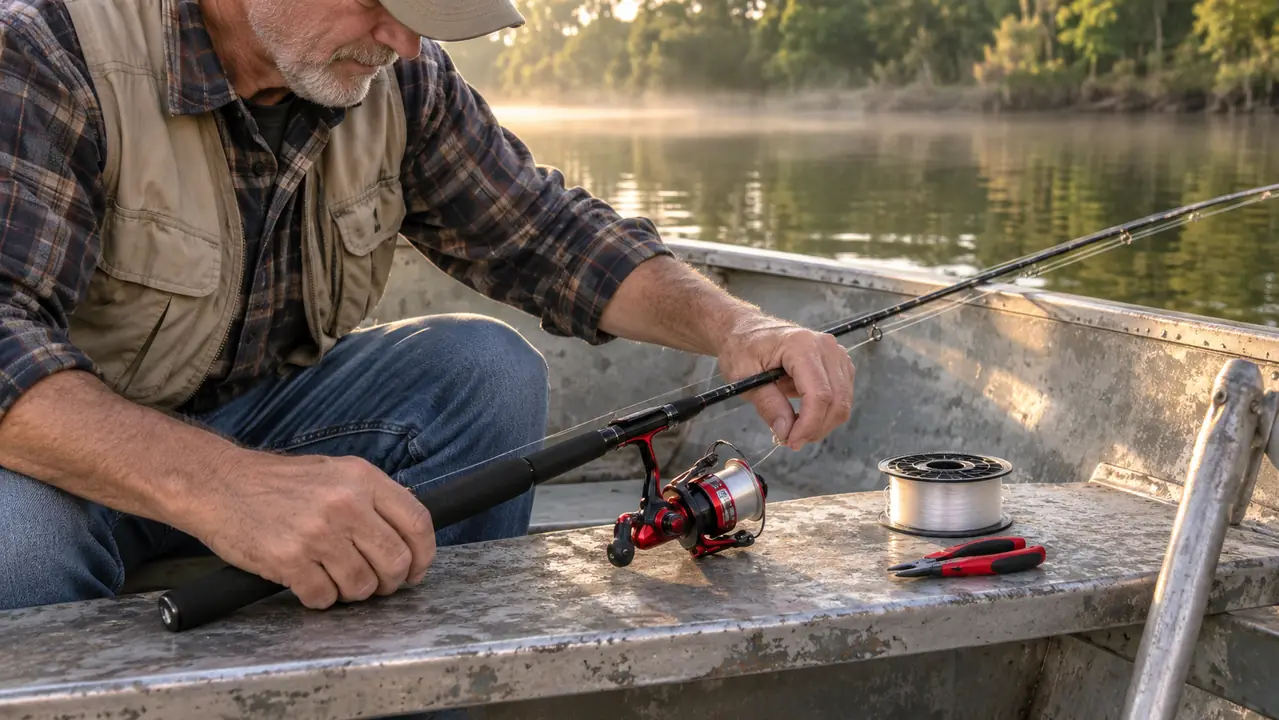
The reel side is where the kit earns its keep for somebody just starting. The gear ratio is 5.2 to 1, which is a workhorse retrieve, not a speed reel built for burning a bait back to the boat. The spool takes 240 yards of 6 pound monofilament and the rod is rated for line up to 10 pounds. The handle is ambidextrous, so a left handed kid and a right handed adult can share one rod without anyone learning to crank backwards. Rod and reel together come in around 16 ounces. That is light enough that Carol will carry it down the bank instead of handing it back to me halfway there.
Here is the difference in plain terms. My first starter rod was a cheap fiberglass blank and I broke the tip on it inside two months, setting the hook on a bass in a weedy pond east of town. The rod was leaning against the tailgate and I put my hand on it wrong. That is all it took. The Ugly Stik has taken the same kind of abuse three times now: once when the tailgate came down on the tip section, once when I stepped on it in the dark on a gravel bar, and once when Carol set the tackle bag on top of it in the boat. Same tip, still straight, still casting true at 30 feet. I have not replaced a section on it.
Where Shakespeare Wins
Length. That is the honest answer and there is no way around it. Most Shakespeare starter combos put you on a blank six feet or longer, and on open water that matters a great deal. If you are fishing a lake where the fish sit well off the weed line, a longer rod loads and throws a light lure farther with less effort from your shoulder. My 5 foot rod is a close quarters tool. It will not outcast a 7 footer across open water and I would not tell you that it will. Standing on a dock on Newman Lake trying to reach a rising fish, I would rather have the long rod in my hands.
Second, choices. Shakespeare sells starter combos across a wide spread of lengths and actions, and they hang on the rack at every farm store and big box in the county. If you want a long rod for bobber fishing off a dock, or you are buying for a kid who will outgrow the rod in two seasons anyway, that spread is real value. Cheap reach counts for something when the water is big and the fish are far out. A person should buy the rod that matches the water they stand next to, not the one that matches somebody else's write-up.
The other side of that is that length is a genuine advantage when you are covering water. On a lake, longer means a couple fewer turns of the handle between you and the next cast, and over a four hour morning that adds up to a lot more water covered. If the fish are sitting well out past where a 5 footer will reach, you will not catch them by being stubborn. I fished a lake south of Spokane in June where the smallmouth sat maybe 50 feet off the bank and a 5 foot rod simply could not put a light lure out there with any accuracy. A six and a half foot rod would have reached it. Nothing wrong with admitting that. The spread of models also means you can walk into a farm store in Colville on a Saturday morning and walk out with something that fits the water you are driving to.
If Your Water Is Small Rivers and Ponds, This Is the Combo That Stays in One Piece
5 foot light power, two pieces, ambidextrous handle, rated for line up to 10 pounds. The rod I hand a beginner and the one I keep in the truck.
Amazon Check Today's Price on Amazon →What the Numbers on the Box Actually Tell You
A gear ratio of 5.2 to 1 means the spool turns about five times for every turn of the handle. That is a middle of the road retrieve. It is slow enough to work a small spinner or a bait at a sane pace in cold water, and fast enough that you are not cranking all afternoon to bring in a lure you cast 30 feet. If you were buying a reel to burn a buzzbait across a summer flat, you would want something faster. Nobody buying a 5 foot light combo is doing that.
Line capacity of 240 yards at 6 pound test tells you two things. First, the reel is meant for light monofilament, which is exactly right for trout and panfish and small bass in the rivers around here. Second, it holds more line than you will ever need on a bank cast, which means you can cut off a frayed stretch two or three times a season without running the spool down to the arbor. The rod is rated for line up to 10 pounds, so you can step up if you are chasing bigger bass in cover, though the light power blank is happier with lighter line.
Light power is the number most beginners skip past, and it is the one that shapes the whole experience. A light rod bends deeper and protects light line on a running fish. It also means you should not be throwing half ounce lures or setting a hook like you are closing a stuck valve. The target species listed for this kit is freshwater fish, and that covers the honest range of it: trout, panfish, smallmouth, the occasional walleye that decides to eat a jig meant for something else.
The 16 ounce figure for rod and reel together is one you will feel by the end of a morning. Hold a rod out at arm's length while you work a lure and an extra couple of ounces turns into a tired shoulder by 10 a.m. The 5 foot light blank with that reel on it balances right around the front of the handle, which means you are not fighting the tip all day. Balance matters more than total weight, honestly. A heavy rod that balances under your hand fishes lighter than a light rod with all the weight out at the tip. That is not on the spec sheet, but you notice it by lunch.
A 5 foot light rod will not outcast a 7 footer. It will still be in one piece in the bed of your truck in October, and that is the trade I keep making.
Setting It Up the First Time
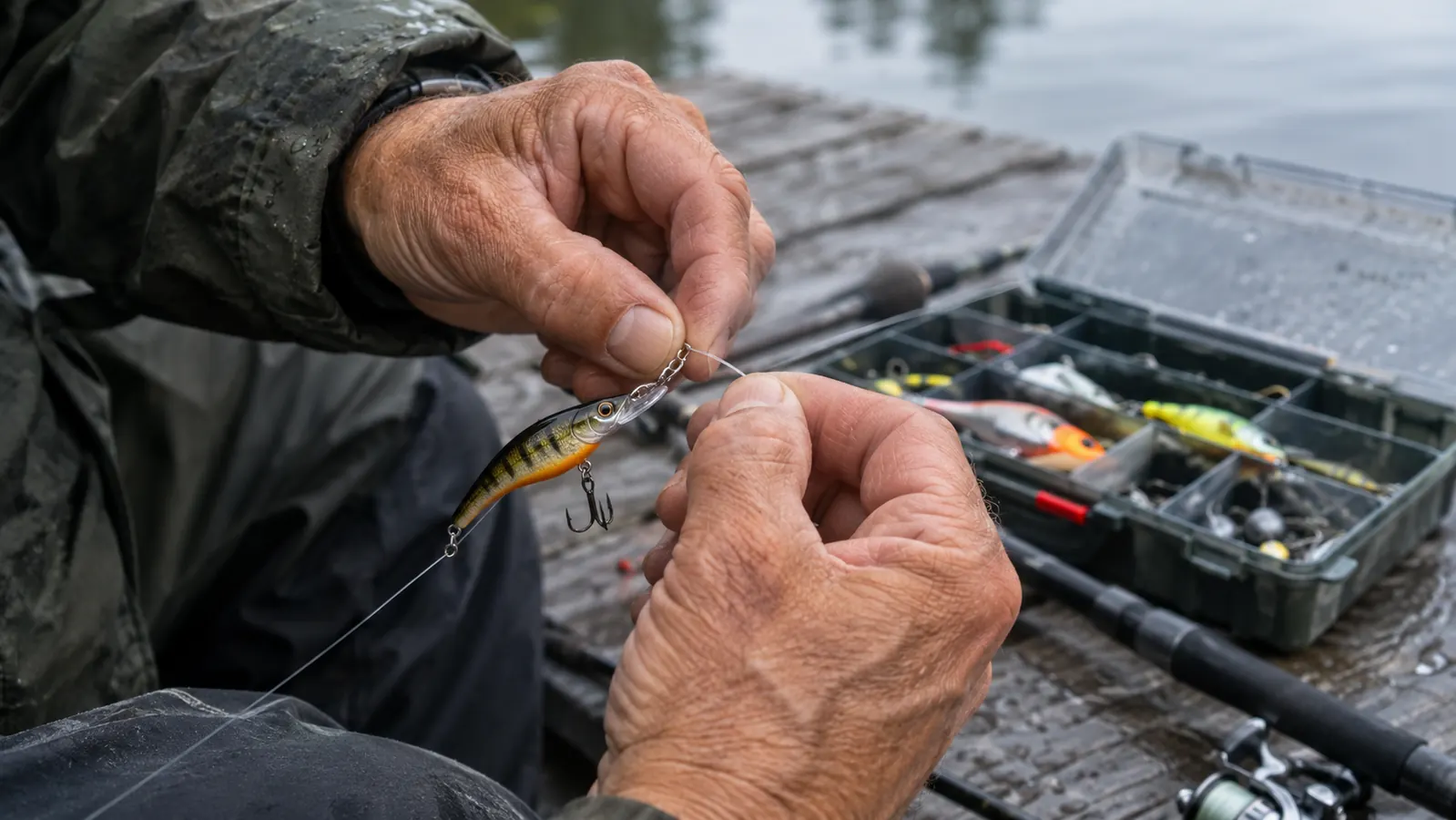
Spool it with 6 pound monofilament and fill it to about an eighth of an inch below the lip. Overfilling is the single most common reason a beginner gets a bird nest on the first cast, and it has nothing to do with the reel. Run the line through the guides, tie on a small snap or a plain hook, and check that the handle is on the side you actually crank with. The ambidextrous handle means you just unscrew it and move it, and you should do that before you get to the water, not after.
Then set the drag loose and tighten it by feel. Pinch the line above the reel and pull. You want steady resistance, not a locked spool. A light rod with a locked drag is how people snap tips and blame the rod. Mine has survived my mistakes because I run the drag softer than most folks would. That is not a spec on the box. It is just what twenty years of replacing tips taught me.
Ten minutes at the kitchen table saves an hour of aggravation at the water. Run a cotton swab around the inside of every guide. If it catches fuzz, that guide has a burr and it will fray your line on the first hard cast. Check that the two piece joint seats fully, then give it a gentle twist to make sure the guides line up on the same side of the blank. Set the reel in the seat and tighten the collar down hard by hand, not with pliers. I watched a man crack a reel seat with a pair of pliers at the ramp. He was not the first, and he will not be the last. Do the same check before every season, not just the first one.
Who Should Buy Which
Buy the Ugly Stik 5 foot kit if you fish small rivers, creeks, ponds, or farm stock tanks from the bank, or if you fish out of a small aluminum boat where a long rod is a liability and not an asset. Buy it if the rod lives in a truck, gets handed to guests, or belongs to a kid who is still learning to look behind them before casting. Buy it if you want one combo that will still be usable three seasons from now without you thinking about it.
Buy a Shakespeare starter combo if your water is big and open and you need the distance, or if you want a long rod for bobber fishing from a dock, or if you are outfitting a kid for one summer and expect the rod to be replaced. That is a legitimate reason to spend less, and there is no shame in it. What I would not do is buy a long cheap rod for tight river work, where the length is a nuisance and the tip is the first thing to go. Match the rod to the water. Everything else is an argument about brand names.
One Combo, Three Seasons, No Replacing the Tip
The Ugly Stik 5 foot spinning kit has the blank, the 5.2 to 1 reel, and the ambidextrous handle that lets two people share it. Spool it with 6 pound mono and go fishing.
Amazon Check Today's Price on Amazon →