
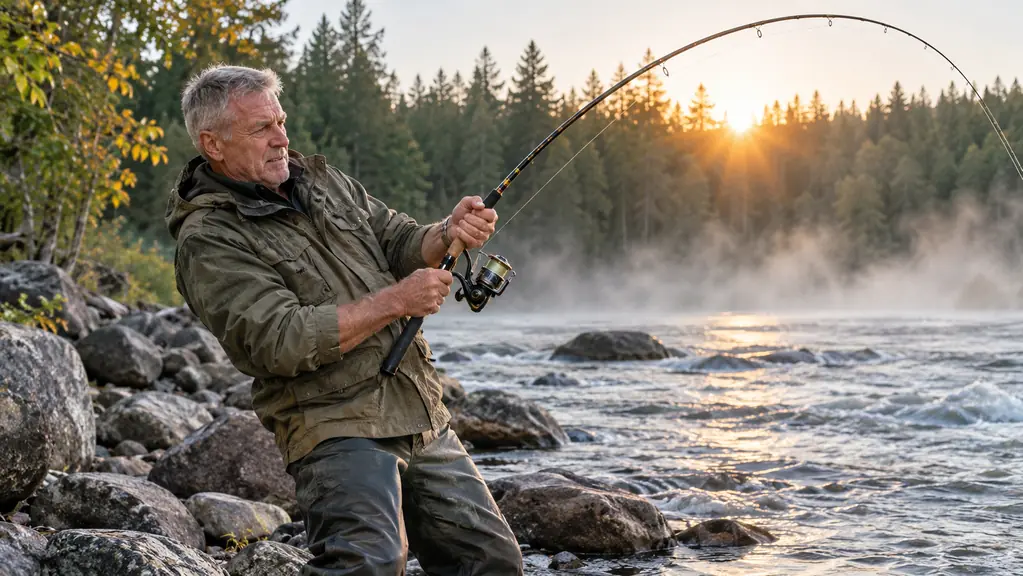
I have spooled more line than I care to admit, and most of it was fine. That is the problem with line reviews. Almost everything on the shelf will catch a fish on a good day. The question is what happens on the bad days: the day the wind knots show up, the day you snag and have to break off by hand, the day the line has been sitting on the reel since April and you finally get back out in August.
KastKing Superpower Braid is one of the most-reviewed braids sold, and it is inexpensive enough that a lot of people buy it as a first braid or as a bulk filler for family reels. I have run 20-pound Superpower on a spinning setup for two seasons of bank fishing and small-boat work here in the Inland Northwest. This is what I found, including the parts I do not like. If you want the long version of how it aged over a full year, that is a separate writeup. This one is the honest debrief.
The Quick Verdict
A genuinely useful braid for the money, with real handling quirks. Buy it for bank reels and backup spools. Do not expect it to behave like a premium eight-strand.
Amazon Check Today's Price →See the current color and strength options on Amazon
Nine colors, a wide strength range, and a lifetime warranty listed on the spool. Check what your reel size needs before you order.
Amazon Check Today's Price on Amazon →How I Actually Ran It
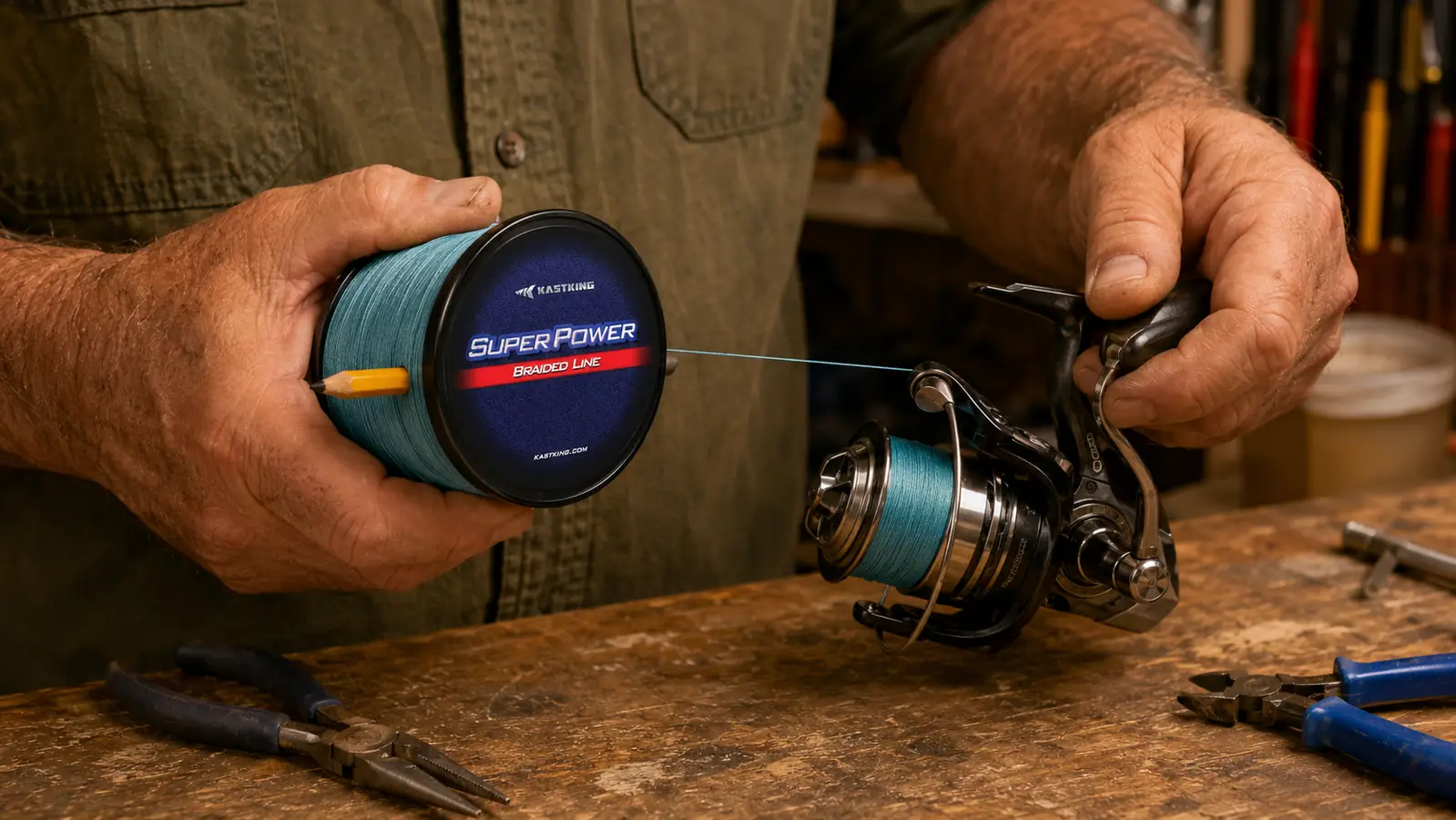
The reel was a 2500-size spinning reel on a 6-foot-6 medium rod, and the spool took 20-pound Superpower with room under the lip. I filled it the way I fill everything: a pencil through the filler spool, a wet rag pinching the line, and a slow, firm wind so the line goes on tight and even. Loose line on a spinning reel is the number one cause of wind knots, and it is not the line's fault when it happens.
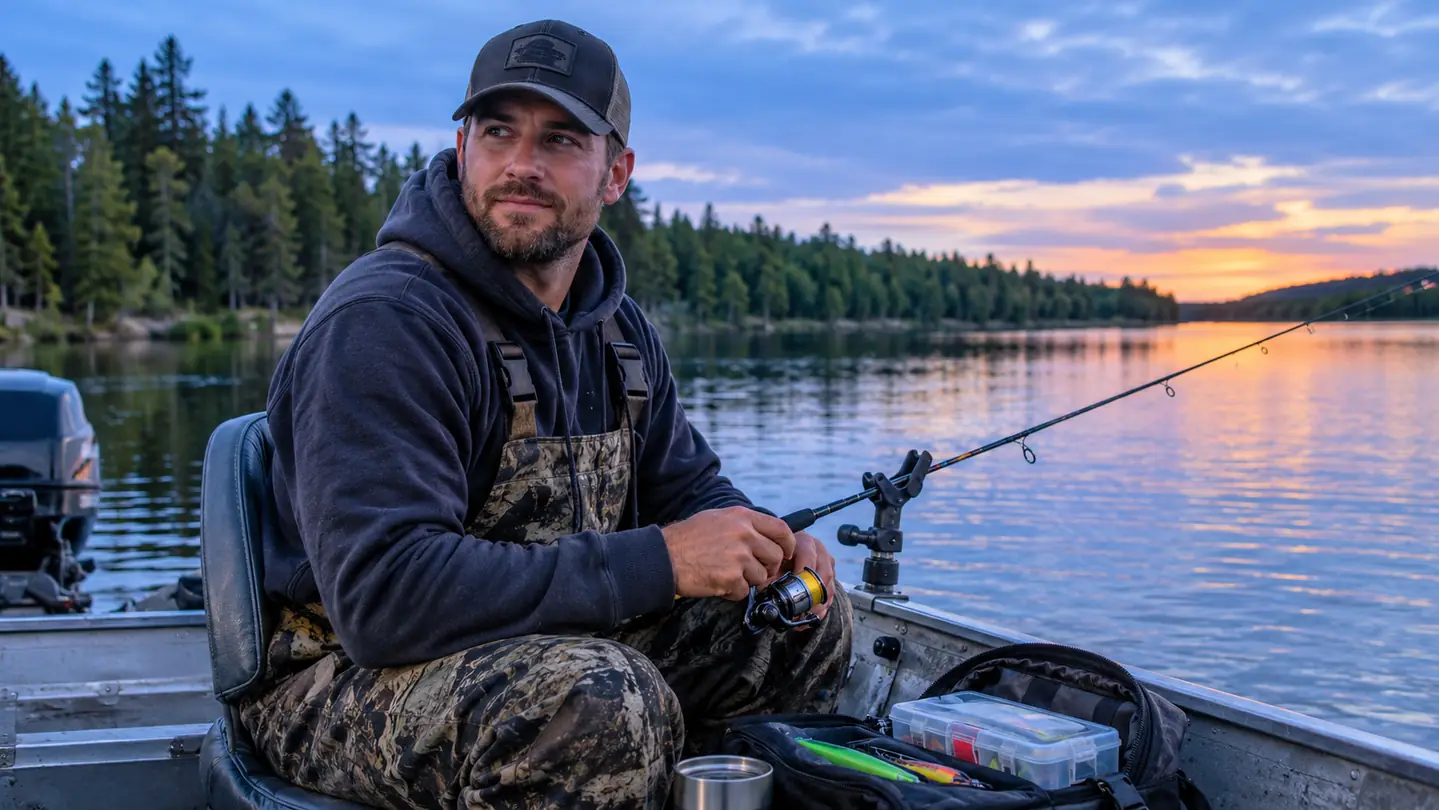
Most of my fishing is trout on small rivers and bass and walleye on lakes, from the bank and from a 14-foot aluminum boat with a small outboard. That means a lot of short casts to structure, some pitching under overhanging banks, and the occasional long cast across a flat when fish are showing. The line saw cold spring water, hot August sun, and one long winter sitting on the reel in the garage because I got busy and did not respool.
I did not use a leader for most of the first season. That was a mistake and I will get to it. The second season I ran a fluorocarbon leader tied with a double uni, which is a much more realistic way to fish this line around rocks and wood.
I spooled it on a Saturday morning in April, tailgate down, a coffee can of water beside me and a rag pinching the line. The spool is listed at 300 yards of 20-pound, and my 2500-size reel took most of it with a quarter inch of lip left showing. The last forty yards went onto my son Jake's reel so nothing went in the trash. It took about twenty minutes and my fingers were sore from holding tension on the rag, which is the correct amount of sore. If you can wind line on with two fingers and no drag from a wet rag, you are spooling it too loose, and that is what makes a KastKing braid, or any braid, misbehave on the first cast of the morning.
What Nobody Tells You About the Feel
Superpower is a multi-strand braid, and the listing is honest about what it is. It is not silky. Out of the package it has a slightly stiff, waxy hand, and you can hear it going through the guides. Some anglers describe it as rough. I would call it businesslike. That texture is part of why it lasts around rock, and it is also why it does not cast quite as far as a slick eight-strand of the same rating.
The stiffness fades after a few trips. By the fourth or fifth outing the line had softened and quieted down considerably, and casting distance came up maybe ten percent with no other change. If you judge this line on its first hour on the reel, you will think it is worse than it is.
The other thing nobody mentions is noise. Braid sings through guides, and a rougher braid sings louder. It does not bother me. It bothers some people. If you fish a quiet river where you are trying not to announce yourself, you will notice it.
Where It Genuinely Performs
Knot strength is the claim on the package and it held up for me. I tie a palomar for main line to swivel and a double uni for leader connections, and I cannot remember a single failure at the knot that was not my own bad tie. When I did break off on snags, it broke at the leader or the hook, which is exactly where I want it to break.
Zero stretch is not marketing here. Braid does not stretch, and that means two things. You feel a walleye breathe on a jig before you feel the tap through mono. And when you set the hook, you set it now, with force. On the good side, hooksets at distance are much more positive than mono. On the bad side, that same lack of stretch is why I pulled hooks out of more than one trout's mouth early on before I learned to soften my hookset on braid.
One morning in late September makes the case better than I can. I was set up on a rock point on a lake north of Spokane, working a quarter-ounce jig in about eighteen feet of water, with the wind coming across my casting shoulder at maybe ten miles an hour. On monofilament I would have felt the weight of the jig and very little else. With this braid I felt the jig tick bottom, felt it slide over a rock, and then felt a single soft tap that was not bottom. I set the hook and the fish was there. That is the whole argument for a low-stretch line. Not the fight. The bite you would have never known about.
The small diameter is the quiet benefit. Twenty-pound Superpower is thin enough that my 2500 spool holds plenty of it, and it cuts through current and wind better than a mono of equal strength. On the bank, casting into a crosswind, that thinner profile is a real advantage. It is also the reason I could get away with a 2500 reel instead of stepping up to a bigger, heavier frame.
Abrasion resistance around rock is the strongest argument for this line, and it is where the money actually pays off. I dragged it across granite ledges, through flooded timber, and over gravel bars on the Columbia side channels. It fuzzed. It did not fail. There is a difference, and the KastKing line stayed on the right side of that difference longer than I expected for what it costs.
I dragged it across granite ledges, through flooded timber, and over gravel bars. It fuzzed. It did not fail.
What Doesn't Work, and I'll Say It Plainly
Line management is the real weakness. Superpower is more prone to wind knots and tip wrap than a slick braid in the same class, especially in the first few trips while it is still stiff. If you are new to braid and you spool this on loosely, you are going to spend a ten-minute stretch on the bank picking out a bird's nest. Some of that is user error. Some of it is the line's texture.
The worst of it came on the third trip out that first spring. I had been throwing a light soft plastic into the tail of a pool, the kind of cast where you are trying to place it quietly and not blow up the whole run. I put a little too much wrist into it. The line came off the spool in a loose coil, caught the tip guide, and buried itself. I stood in that river for eleven minutes with cold water working into my waders, picking at it with numb fingers, while the pool settled down and stopped showing fish. I cut out about fifteen feet and retied. The lesson was not that the line is bad. The lesson was that I was casting a lure below my rod's rating with a stiff new braid and asking it to behave like limp line. Once I went up half an ounce, the problem mostly went away.
Color loss is the second complaint and it is real. The line lightens over a season, particularly on the outer wraps that see sun and casting. It did not seem to hurt performance. It does make the line harder to read when you are watching your line for a subtle tick on the fall, and it looks tired on the spool.
Visibility in general is a tradeoff. Braid is visible in clear water, and this line is no exception. That is not a defect, it is a property of the material. It is also why anybody fishing clear water for pressured fish should be running a leader. I fished a season without one and I am confident it cost me bites on bright days, especially on the clear small rivers where trout get a good long look at your presentation.
The stiffness also affects one specific situation: fishing light lures on a spinning rod. Superpower does not want to behave at the very bottom of a rod's lure range. It wants a little weight to load against. If your whole game is throwing unweighted soft plastics on a medium-light rod, a softer, slicker braid will make your life easier.
What I Liked
- Knot strength held up across two seasons of palomar and double uni connections
- Genuinely low stretch, which means better hooksets at distance and more feel on the bottom
- Small diameter lets a 2500-size spinning reel hold plenty of 20-pound line
- Abrasion resistance around rock and timber is the standout, especially for the money
- Wide strength and color range plus a listed lifetime warranty
Where It Falls Short
- Prone to wind knots and tip wrap while it is still stiff and waxy
- Rough texture is audible through the guides and cuts casting distance slightly
- Color fades over a season, which makes line-watching harder
- No stretch punishes a heavy hookset on soft-mouthed fish until you adjust
- Visible in clear water, so a leader is close to mandatory for pressured fish
The Leader Question, Which Is Really the Whole Game
If you take one thing from this, take this. Braid is a main line, not a presentation line. Superpower is designed to be strong and thin and abrasion resistant, and it does all three. It is not designed to be invisible, and it is not designed to have any give. Running a fluorocarbon leader fixes both problems at once.
I use three or four feet of fluorocarbon, connected with a double uni because I can tie it in the dark and I trust it. The braid gives me casting distance, sensitivity and line capacity. The leader gives me invisibility and a little shock absorption at the business end. My hookup rate on clear-water trout went up noticeably the season I started doing this, and I stopped losing fish to pulled hooks.
Here is the closest thing to a measurement I have. In the straight-braid season I would say I landed two out of every three trout that ate the lure. The following spring, fishing the same small rivers with three feet of fluorocarbon between the braid and the hook, I landed closer to nine out of ten, and I lost almost nothing to a slack line on the jump. Same rod, same reel, same angler with the same bad habits. The only thing that changed was the last three feet. That is not a scientific test and I would not sell it as one, but I know what it felt like, and it felt like a different outfit.
There is a cost. The knot is a weak point if you tie it badly, and it ticks through the guides on the cast. Retie the leader whenever it gets scuffed. That is a five-minute job on the tailgate and it is worth doing. Consider the smooth-running cheaper alternative of fishing straight mono if you hate knots, because braid plus leader is more work, and pretending otherwise is dishonest.
Who This Is For
This is a good line for an angler who wants a lot of usable braid without paying premium prices. Bank fishermen working rock and cover, small-boat anglers casting to structure, and anybody spooling up several reels for family or guests will get real value here. If you want one braid on a general-purpose spinning rod that handles bass, walleye and the occasional trout, the KastKing Superpower in 20-pound with a leader is a sensible, boring, dependable choice.
It is also a reasonable first braid if you are willing to learn to spool it tight and check for wind knots. The stiffness that causes trouble early is the same stiffness that gives it its abrasion life. You are paying for that tradeoff either way.
Who Should Skip It
Skip it if you fish clear, pressured water and refuse to tie a leader. Skip it if your fishing is all finesse presentations at the bottom of your rod's lure rating, because the stiffness will fight you and a slicker braid will cast better. Skip it if you are the kind of angler who respools once a season and wants the line to feel like new the whole time, because the color and the texture both change.
And skip it if you want the absolute longest, quietest cast from a spinning reel. Premium eight-strand braids are smoother and they cast farther. They also cost more. That is the honest trade, and it is the same trade you make with everything in a tackle box.
What I'd Tell You at the Boat Ramp
Fill the spool tight, wet the line while you wind it on, and check the last ten feet for fuzz every trip. Fish a leader in clear water. Soften your hookset. Do those four things and this line will serve you well for a couple of seasons at a cost that does not make you angry when you have to cut off thirty yards after a bad snag.
It is not the smoothest braid on the shelf and it will not win a distance contest. It is strong, thin, tough around rock, and it does the job. For how I fish, that is the whole ask.
Pick your strength, then spool it tight
20-pound suits a 2500 spinning reel well. Check the yardage on your spool before ordering, and remember the lifetime warranty is listed on the packaging.
Amazon Check Today's Price on Amazon →